On October 6, 2025, my phone rang.
I was in my truck. My daughter Charlotte was in the backseat. We were on our way to the park.
I came to a screeching halt in the middle of the road.
My sister was on the line. Then the emergency room doctors. My mother was in a hospital in Naples, Florida. Grade 4 subarachnoid hemorrhage. For those who don't know what that means — it means the clock had already started. It means most people don't make it. It means every minute between that hospital and a neurosurgeon was a minute she might not have.
I didn't think. I didn't wait. The moment I understood what was happening, I was already dialing.
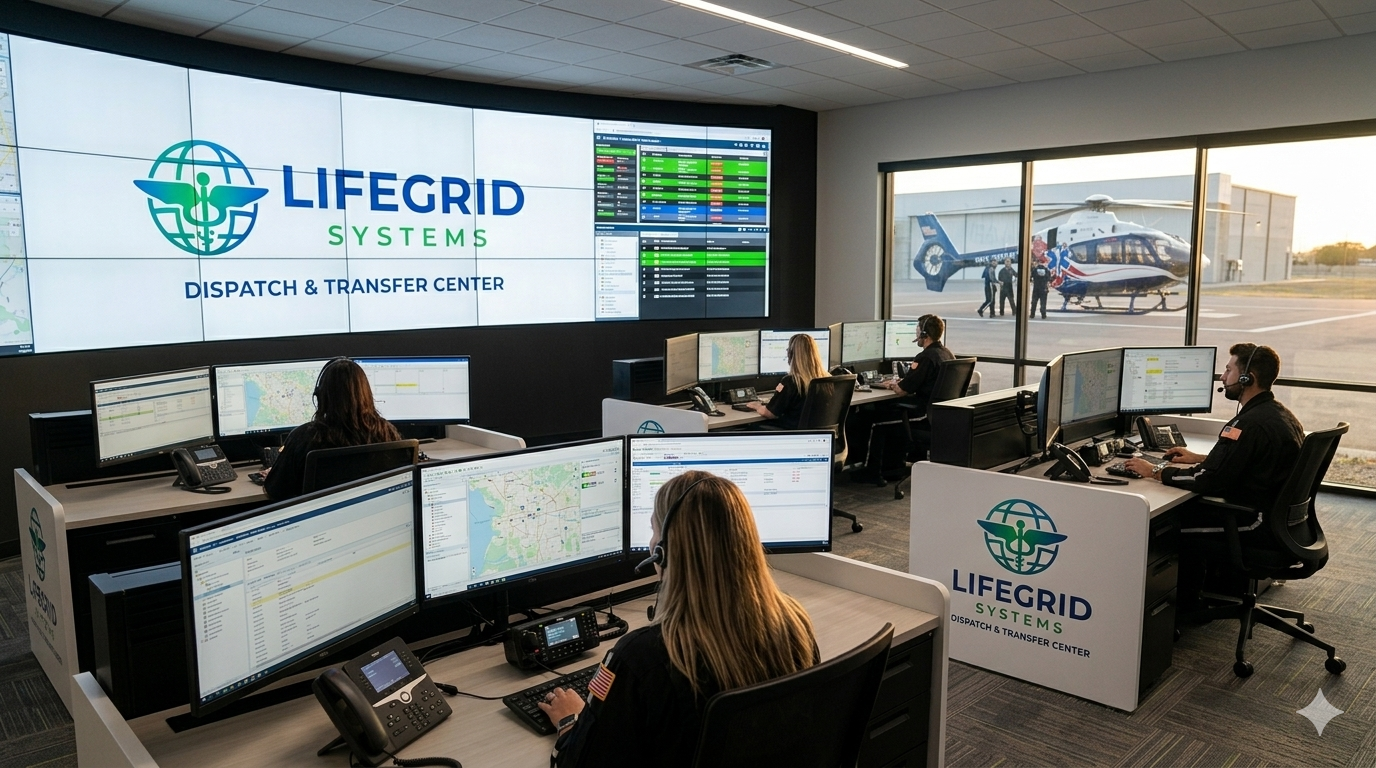
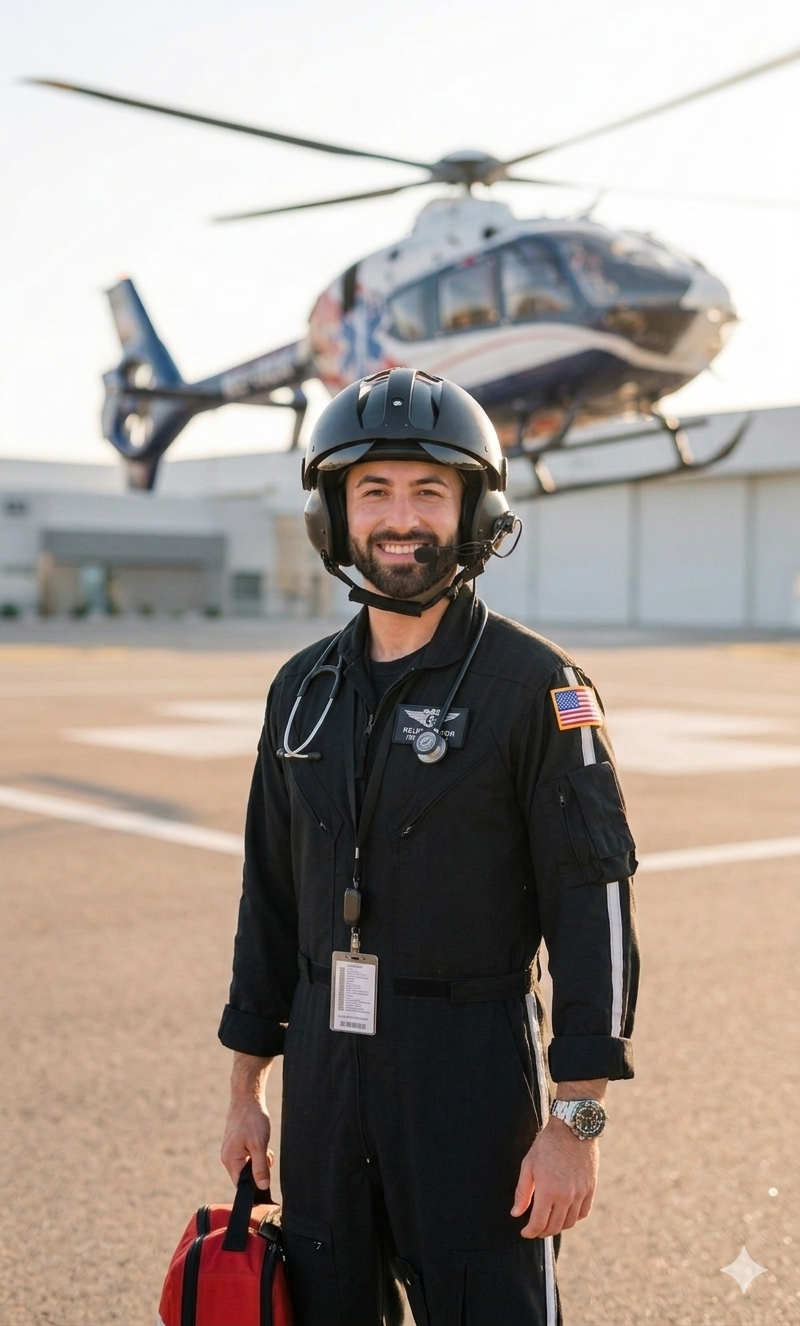
A medevac team manager in Tampa. A fixed-wing operations lead in Jacksonville. Personal calls. Personal favors. Because that is what it took — even for someone who has spent 8 years on a critical care transport team and knows exactly how this world works.
What followed was what every family in that situation faces. Hours of waiting. Paperwork passing through the hands of providers, flight teams, coordinators — each step necessary, each step taking time that felt like it was being stolen. A helicopter that lifted off from Tampa and had to turn around because the weather wouldn't let it through. A system that was moving as fast as it could — and still not fast enough.
My sister is a physician. She put on her white coat and got on that plane with my mom, because someone who loved her needed to be there if things got worse at 30,000 feet.
Two weeks before that phone call, Tammy and I had found out we were pregnant. We hadn't told a single person. It was ours — quiet, sacred, not yet ready for the world.
In that hospital room, while we waited and prayed and held our breath, Tammy leaned down and whispered it into my mother's ear. A new grandchild was coming. She had a reason to fight her way back.
Charlotte stood at her grandmother's bedside and asked, in the way that only a child can ask — simply, directly, with her whole heart — if grandma was going to be okay.
The fixed wing made it through the weather. She made it to surgery.
Today my mother is biking 25 miles. She is back at work. She laughs. She calls. She has met the grandson she was fighting to get back to.
I built LifeGrid NEXUS because I am one of the lucky ones. I have a sister who is a physician — who escorted my mother at 30,000 feet. I have a brother-in-law who handled the legal paperwork when we thought we might need it. I have a wife who is a nurse practitioner who never left our side and who found the words that no medicine could replicate. I have a daughter who asked the question we were all afraid to ask out loud.
Most families have none of that.
They have a waiting room. They have a clipboard. They have hours of paperwork moving through hands that are doing their best — in a system that was never designed to move at the speed a Grade 4 subarachnoid hemorrhage demands.
Charlotte never made it to the park that day.
But her grandmother is here to take her.
NEXUS was not born in a boardroom. It was not born from a market analysis or a pitch deck.
It was born in the middle of a road in Florida, on October 6, 2025, while my daughter sat in the backseat not yet understanding why her dad had stopped the truck and why his voice had changed.
It was born in a hospital room where my wife whispered a secret into my mother's ear to give her something to come back for.
It was born in the hours of waiting — for paperwork, for signatures, for a weather window, for a system to move as fast as the situation demanded.
For too many families — that system never catches up.
That is why we build.
LifeGrid Systems is actively pursuing partnerships with children's hospitals and pediatric transport programs to support their missions and give back to the communities they serve.